Real Red Fox Skull - Pathology
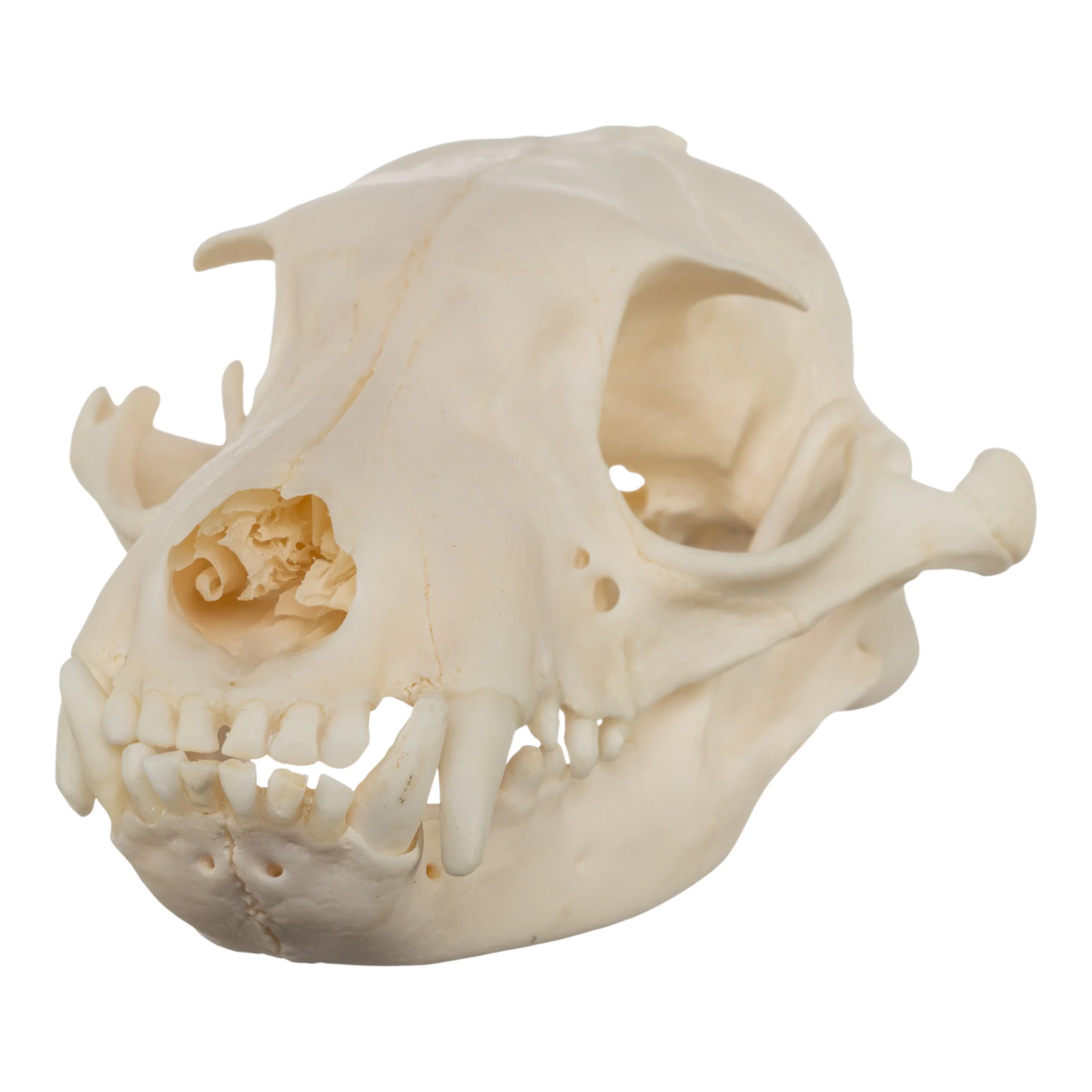
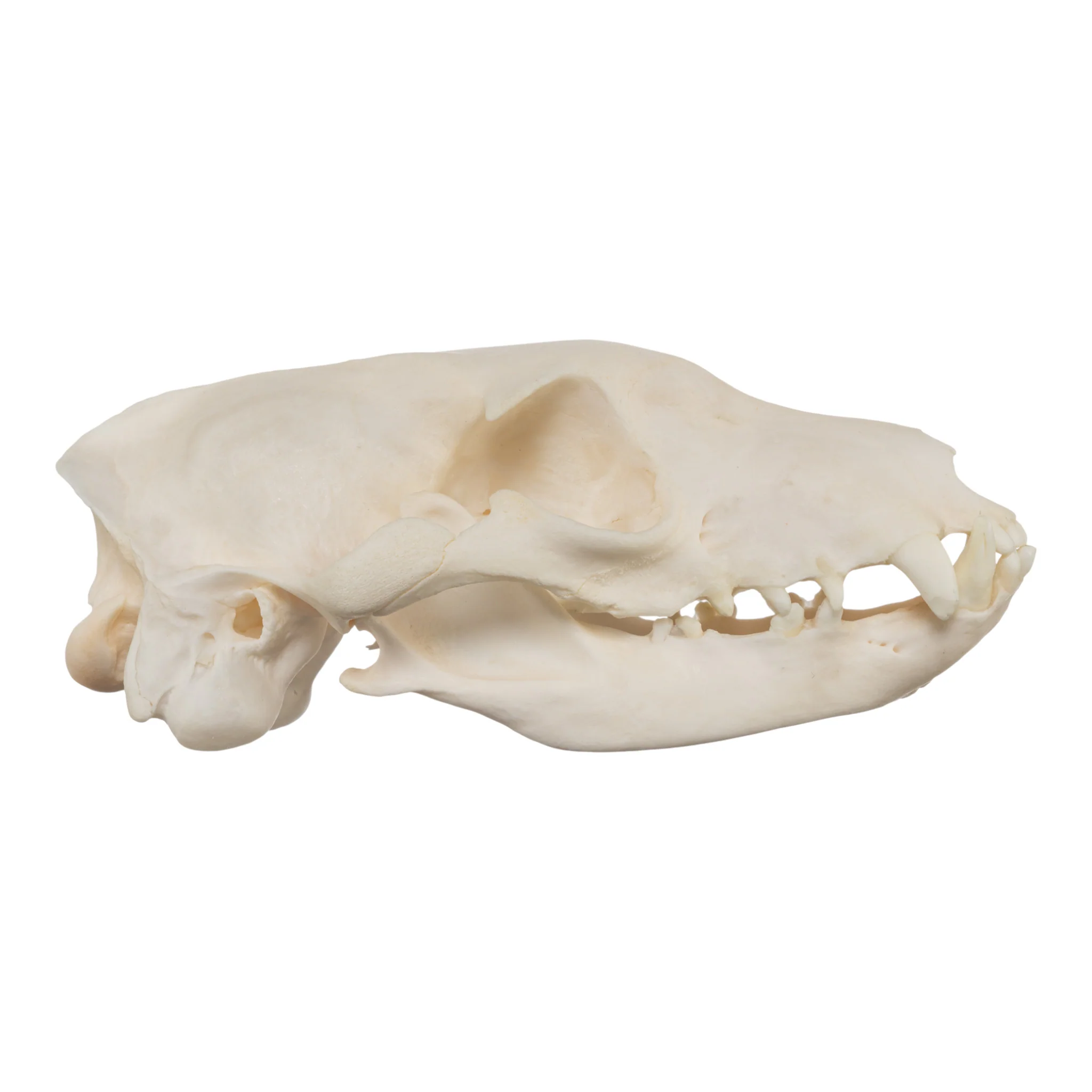
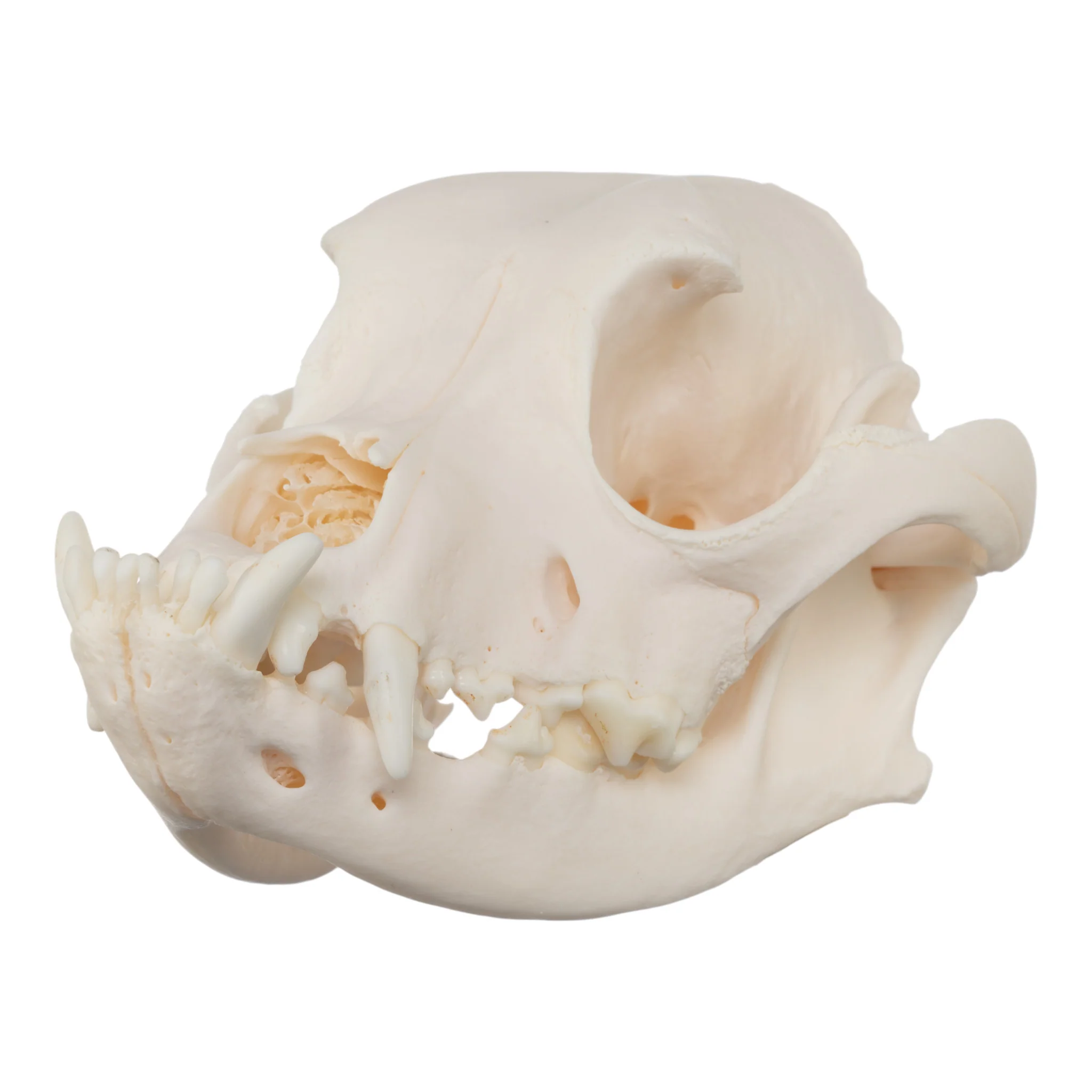
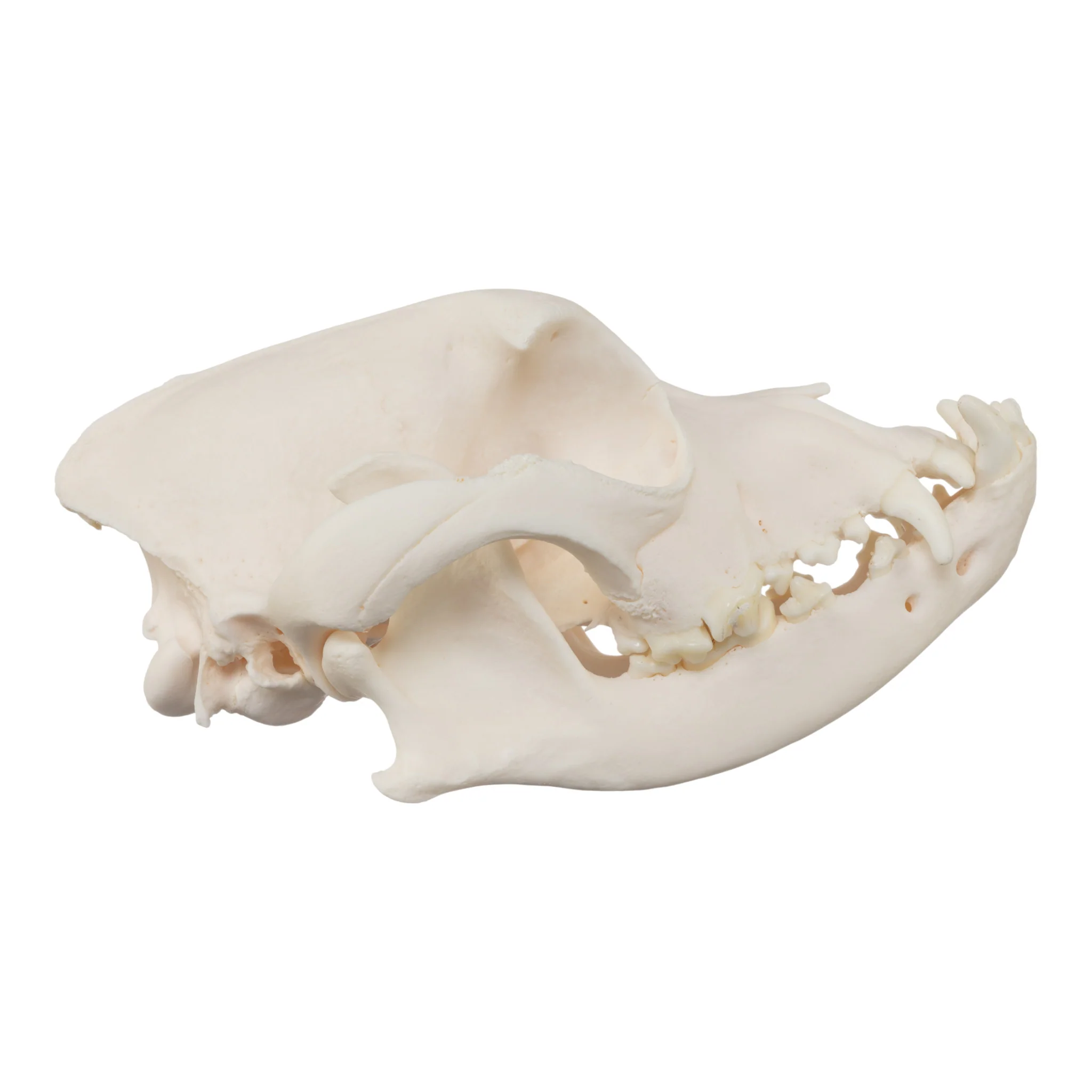
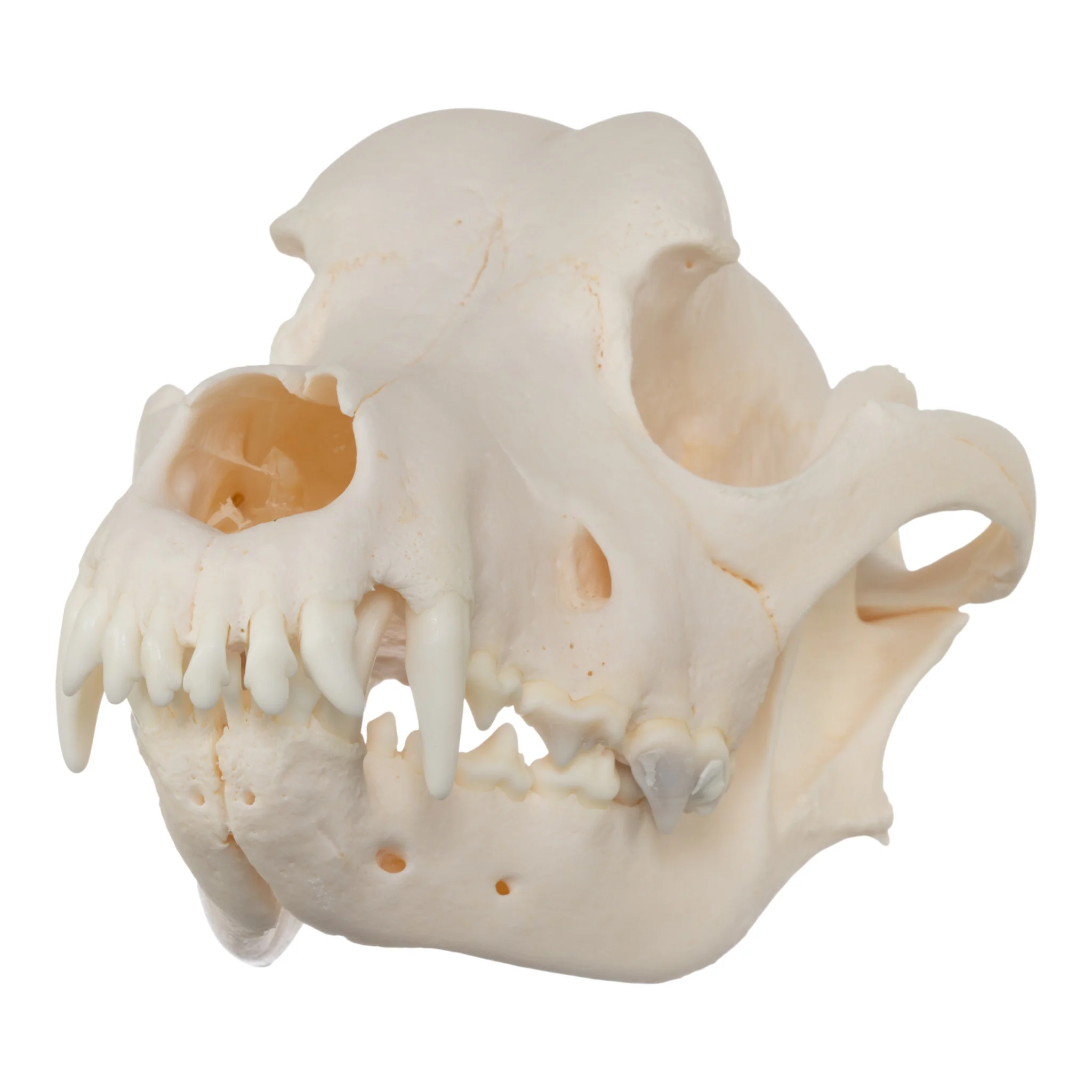
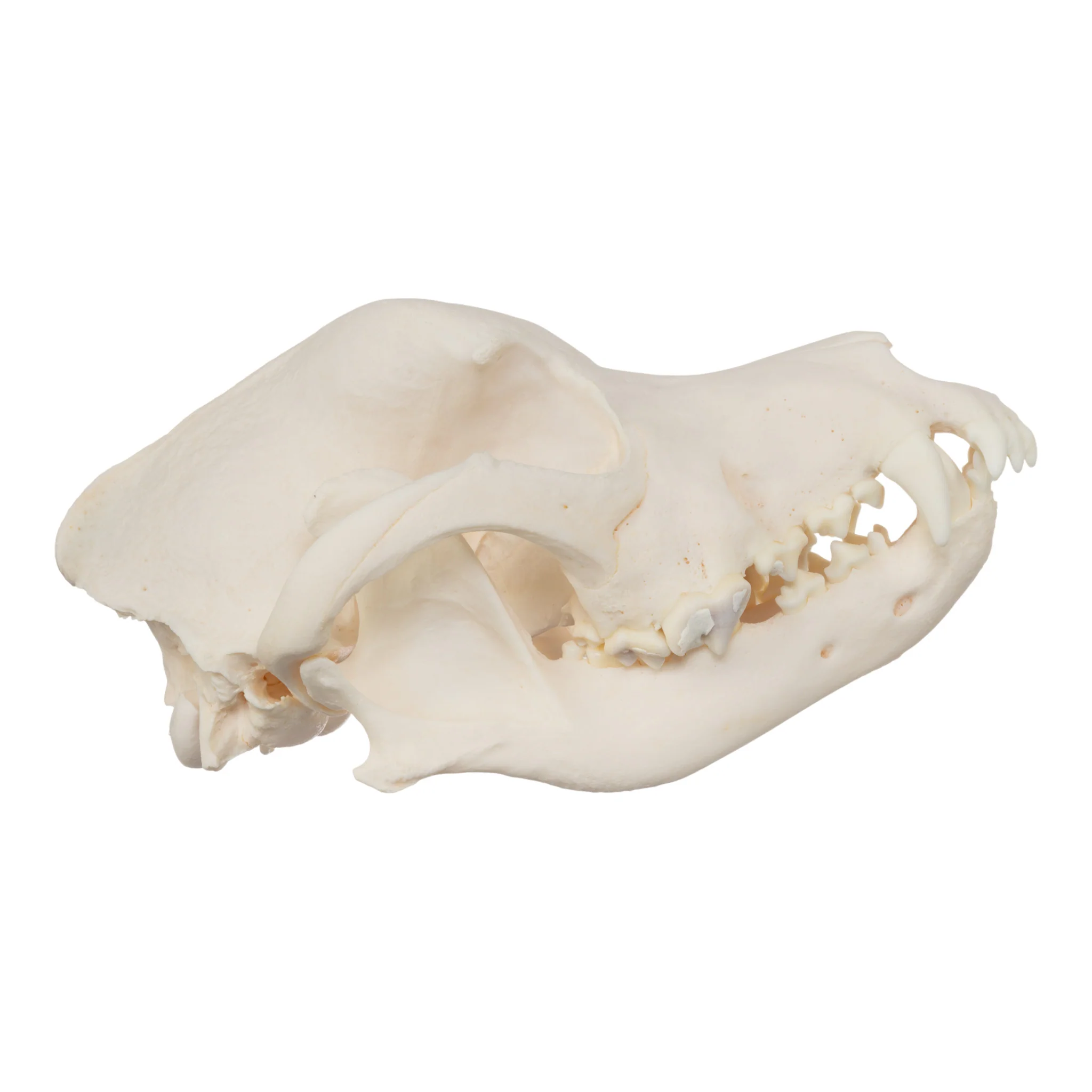
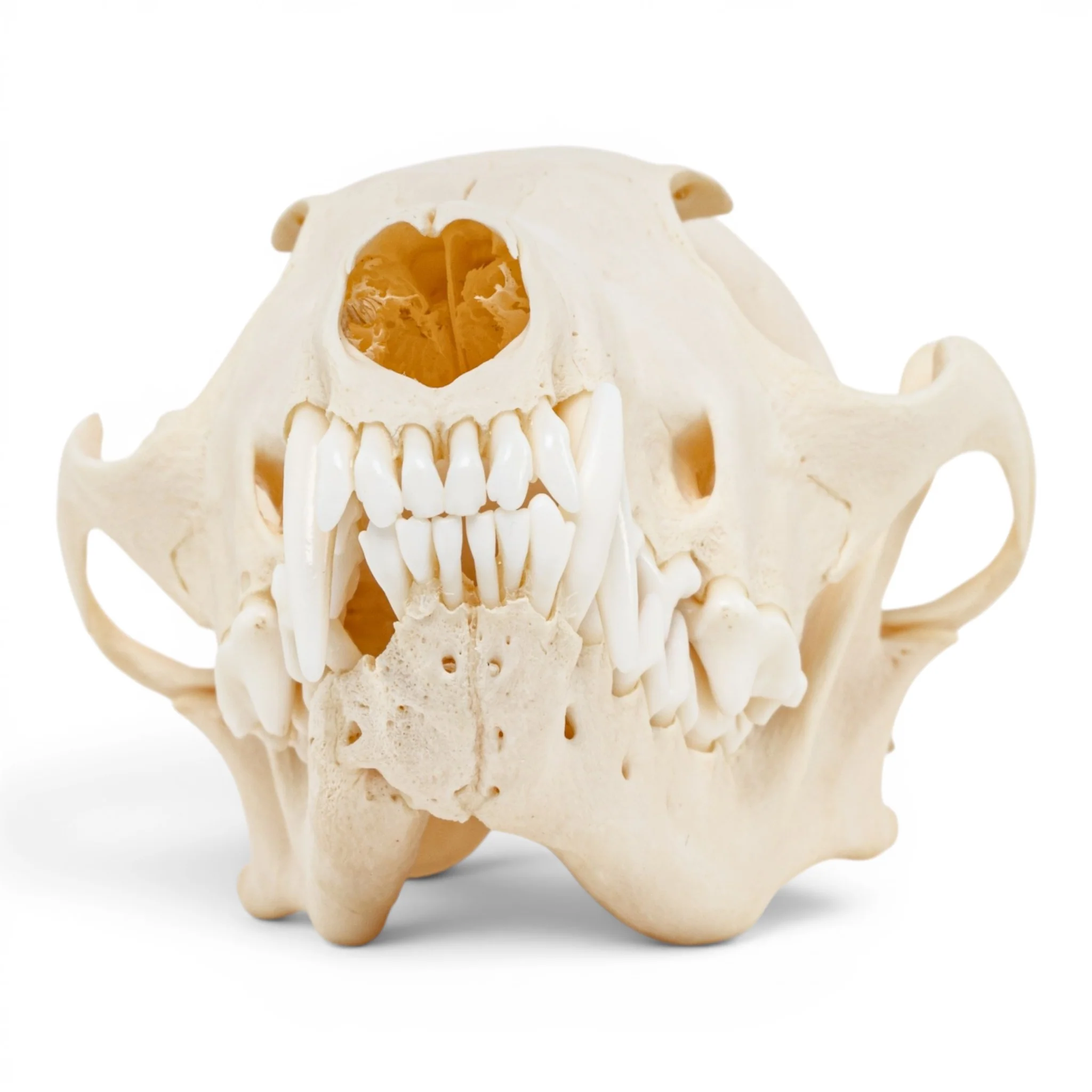
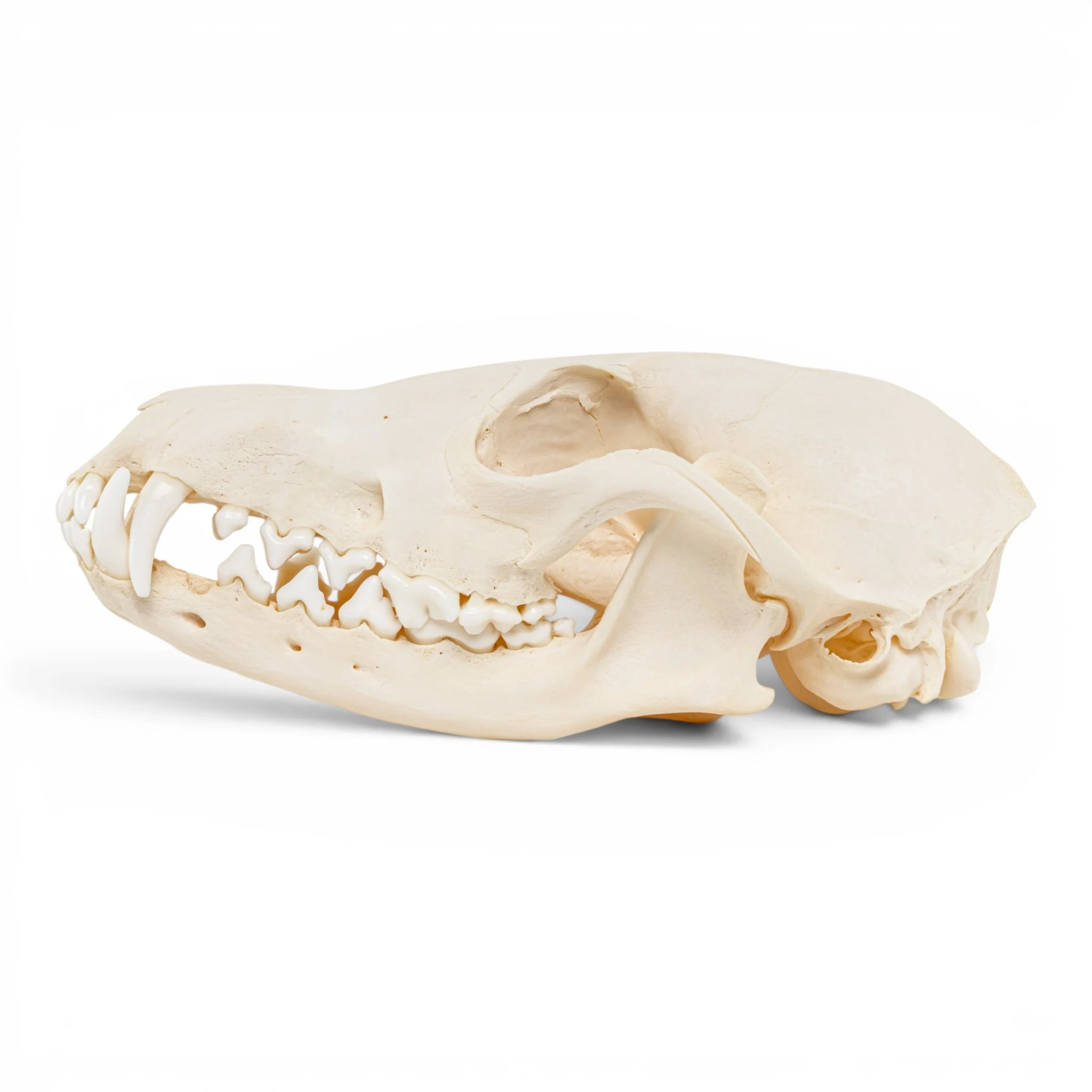
This real red fox skull specimen exhibits notable pathological features, making it an exceptional educational and research specimen. The mandible displays evidence of pathology on the right side, while the lower left canine and one premolar are absent, likely due to disease or trauma. These characteristics provide valuable insights into wildlife health conditions and dental pathology. Ideal for comparative anatomy studies, veterinary education, or natural history collections, this pathological specimen demonstrates real-world conditions encountered in wild populations and serves as a powerful teaching tool for understanding disease and injury in carnivores.
The red fox is native to North America, Europe and most of Asia. Although a member of the order Carnivora, the red fox is essentially an omnivore. It mostly eats rodents, lagomorphs, insects, fruit and occasionally carrion. Red foxes have a characteristic manner of hunting mice; the fox stands motionless, listening and watching intently for a mouse it has detected. It then leaps high and brings the forelimbs straight down forcibly to pin the mouse to the ground.
- Presents with evidence of pathology on the right side of the mandible and the right zygomatic arch
- Presents with lower left canine and one premolar missing
- Skull - Pathology Length 14.2 cm (5.6 in)
- Skull - Pathology Width 7 cm (2.8 in)
- Skull - Pathology Height 5.5 cm (2.2 in)
Product Information
Product Information
Shipping & Returns
Shipping & Returns




Real Red Fox Skull - Pathology
Real Red Fox Skull - Pathology
This real red fox skull specimen exhibits notable pathological features, making it an exceptional educational and research specimen. The mandible displays evidence of pathology on the right side, while the lower left canine and one premolar are absent, likely due to disease or trauma. These characteristics provide valuable insights into wildlife health conditions and dental pathology. Ideal for comparative anatomy studies, veterinary education, or natural history collections, this pathological specimen demonstrates real-world conditions encountered in wild populations and serves as a powerful teaching tool for understanding disease and injury in carnivores.
The red fox is native to North America, Europe and most of Asia. Although a member of the order Carnivora, the red fox is essentially an omnivore. It mostly eats rodents, lagomorphs, insects, fruit and occasionally carrion. Red foxes have a characteristic manner of hunting mice; the fox stands motionless, listening and watching intently for a mouse it has detected. It then leaps high and brings the forelimbs straight down forcibly to pin the mouse to the ground.
- Presents with evidence of pathology on the right side of the mandible and the right zygomatic arch
- Presents with lower left canine and one premolar missing
- Skull - Pathology Length 14.2 cm (5.6 in)
- Skull - Pathology Width 7 cm (2.8 in)
- Skull - Pathology Height 5.5 cm (2.2 in)
Product Information
Product Information
Shipping & Returns
Shipping & Returns
Description
This real red fox skull specimen exhibits notable pathological features, making it an exceptional educational and research specimen. The mandible displays evidence of pathology on the right side, while the lower left canine and one premolar are absent, likely due to disease or trauma. These characteristics provide valuable insights into wildlife health conditions and dental pathology. Ideal for comparative anatomy studies, veterinary education, or natural history collections, this pathological specimen demonstrates real-world conditions encountered in wild populations and serves as a powerful teaching tool for understanding disease and injury in carnivores.
The red fox is native to North America, Europe and most of Asia. Although a member of the order Carnivora, the red fox is essentially an omnivore. It mostly eats rodents, lagomorphs, insects, fruit and occasionally carrion. Red foxes have a characteristic manner of hunting mice; the fox stands motionless, listening and watching intently for a mouse it has detected. It then leaps high and brings the forelimbs straight down forcibly to pin the mouse to the ground.
- Presents with evidence of pathology on the right side of the mandible and the right zygomatic arch
- Presents with lower left canine and one premolar missing
- Skull - Pathology Length 14.2 cm (5.6 in)
- Skull - Pathology Width 7 cm (2.8 in)
- Skull - Pathology Height 5.5 cm (2.2 in)