Real Muskrat Skull - Pathology
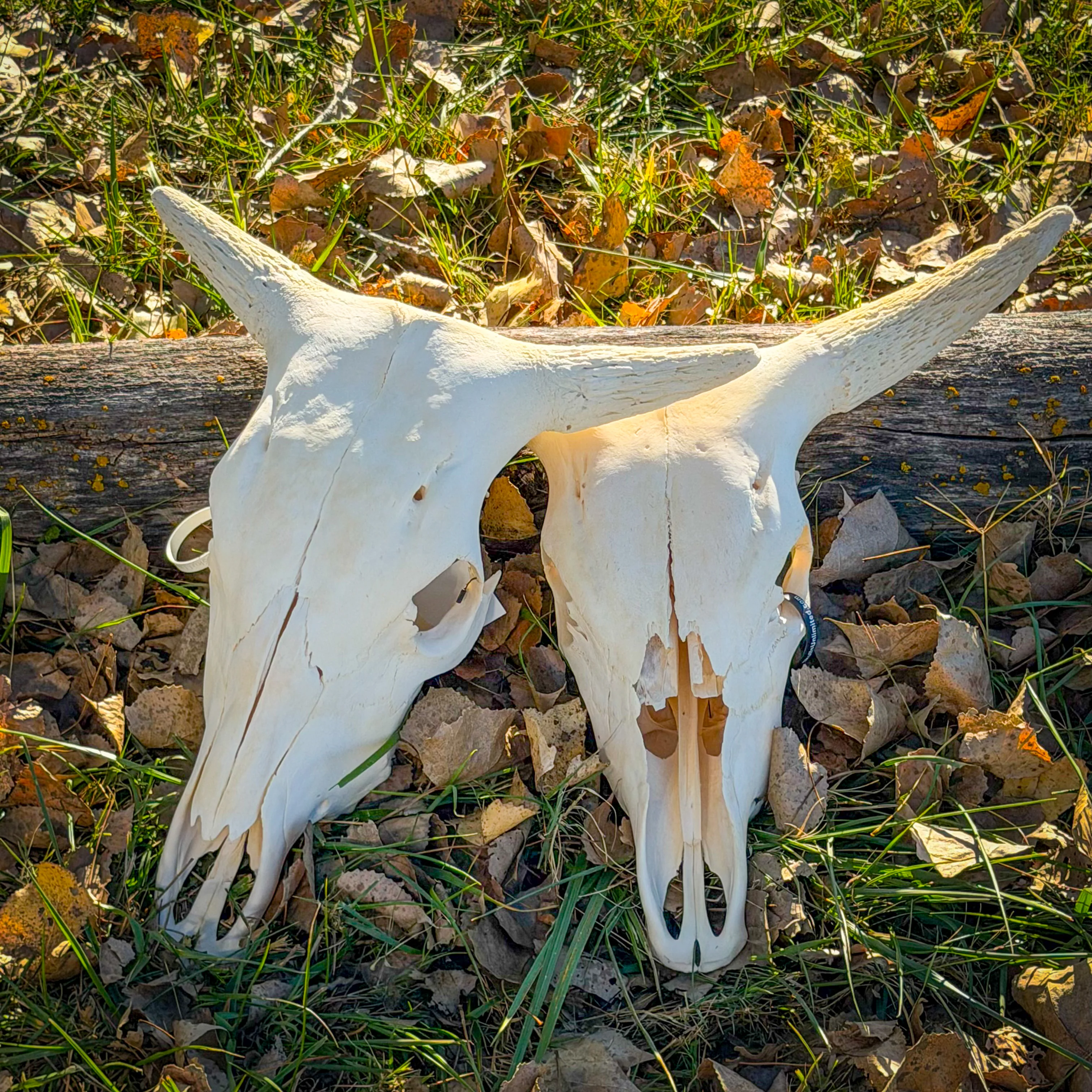
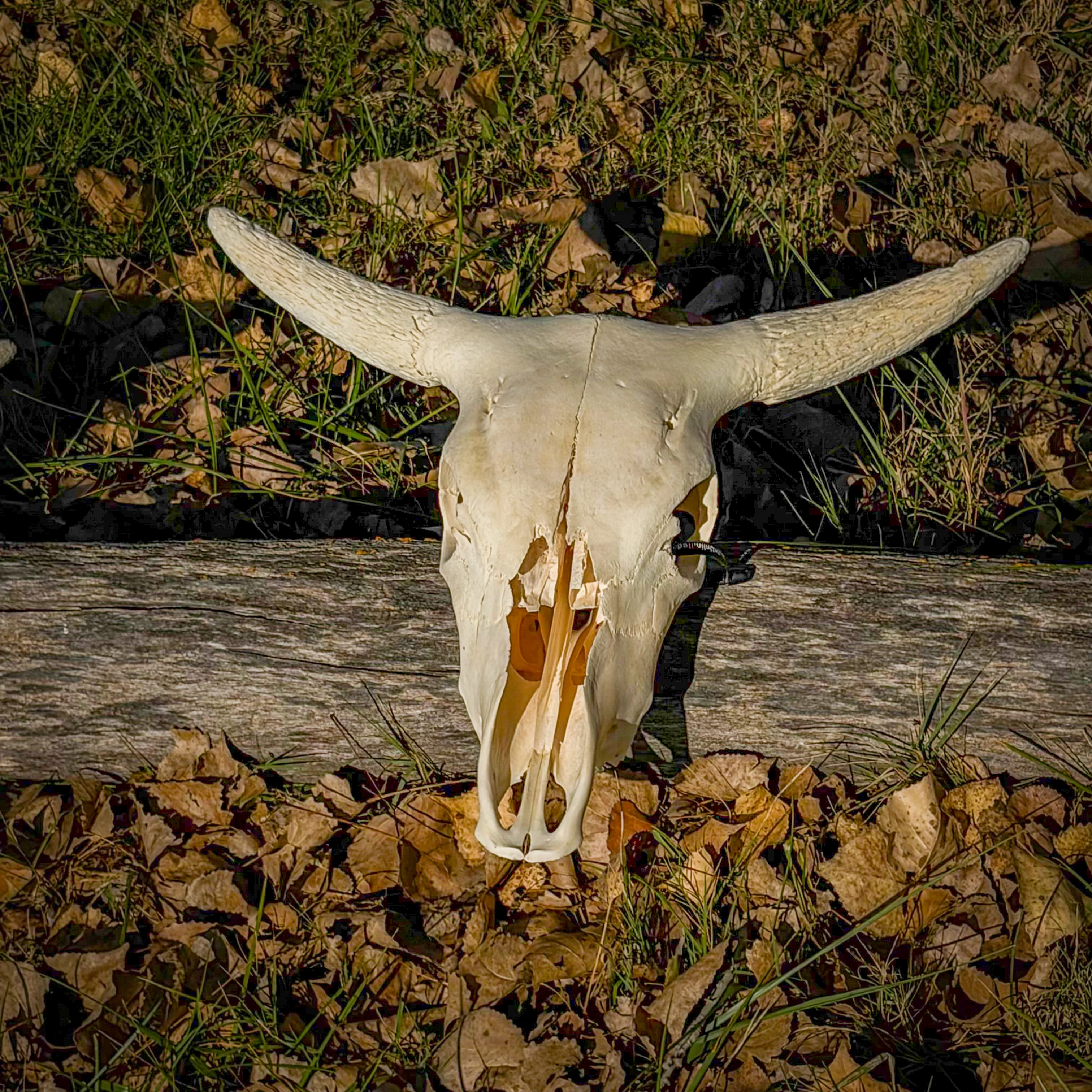
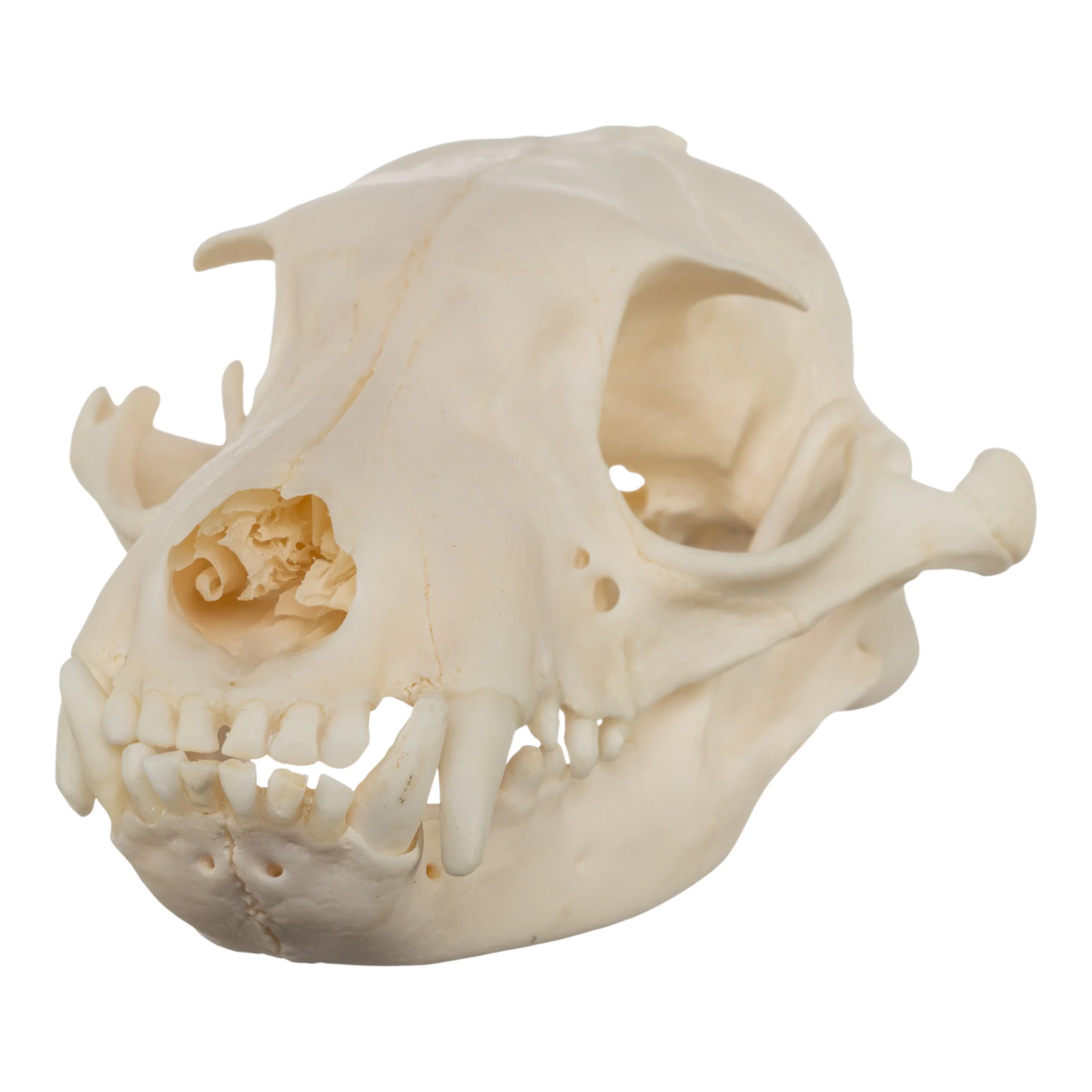
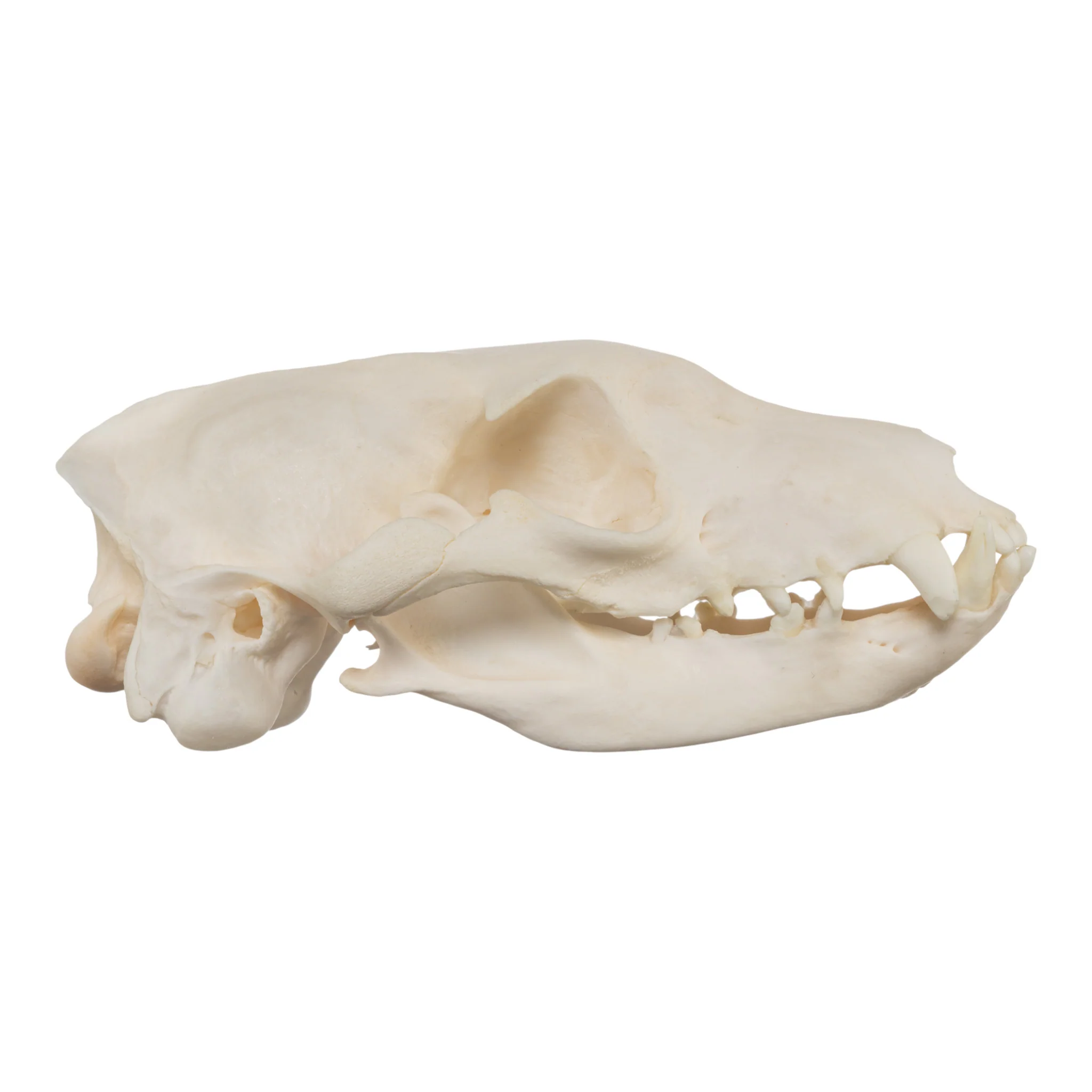
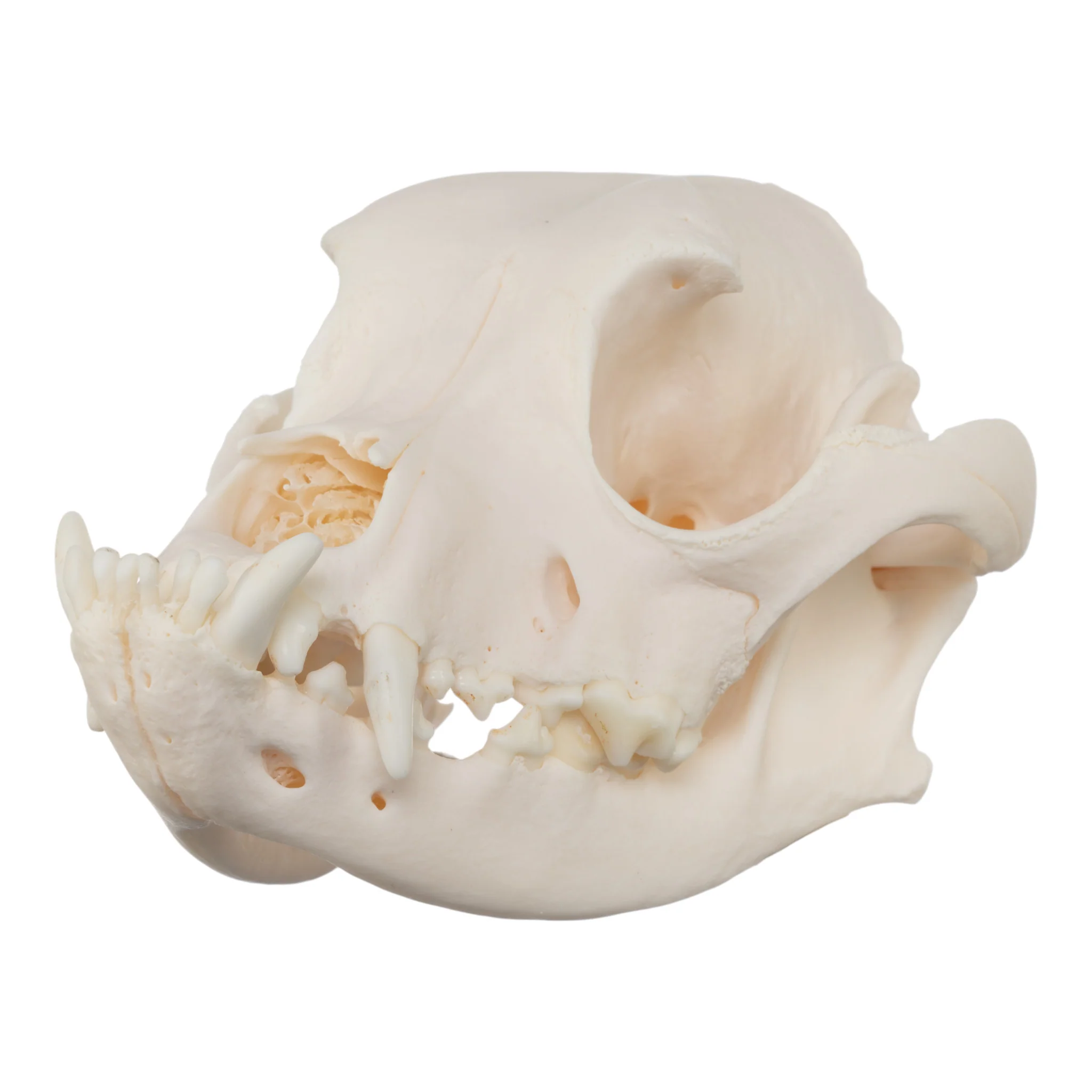
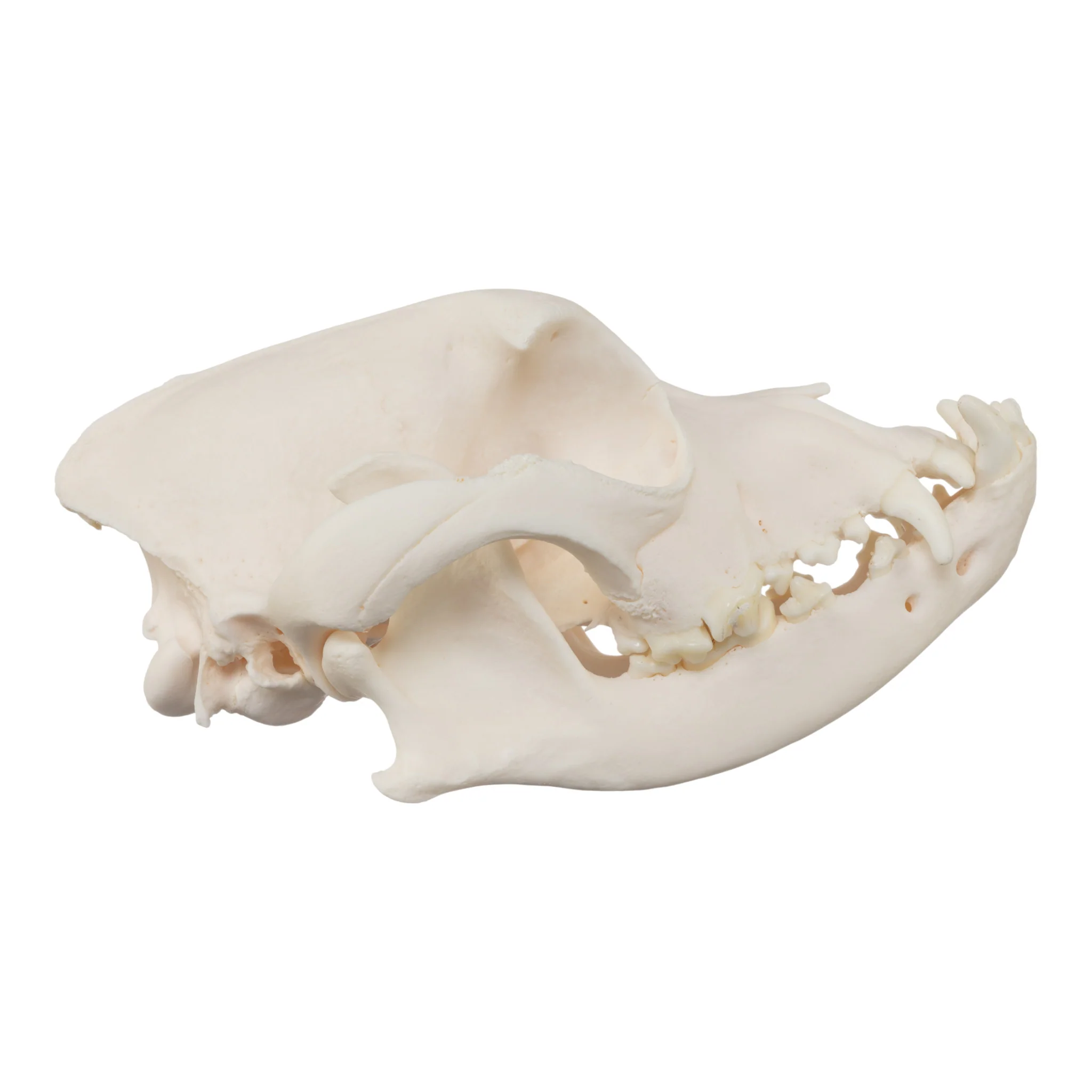
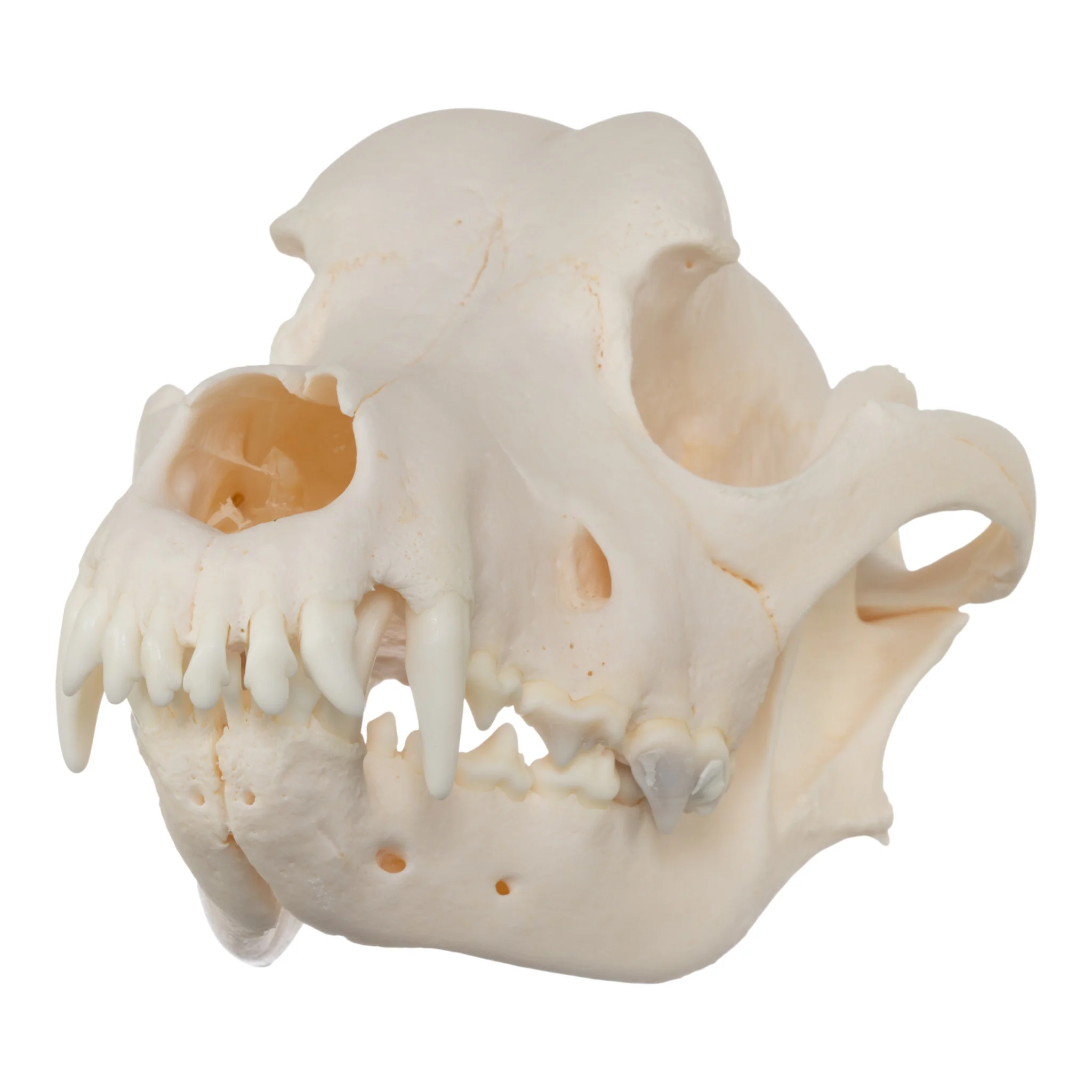
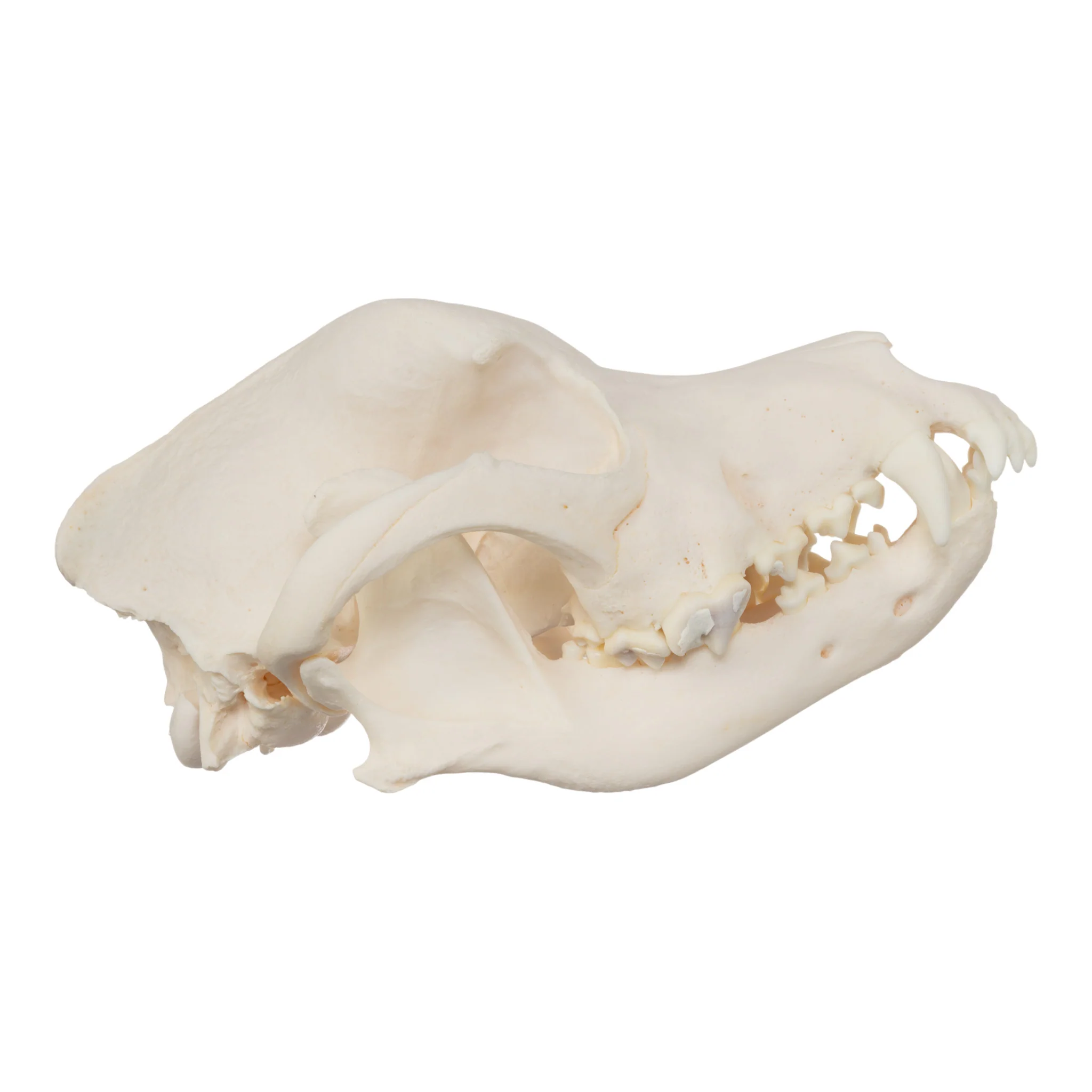
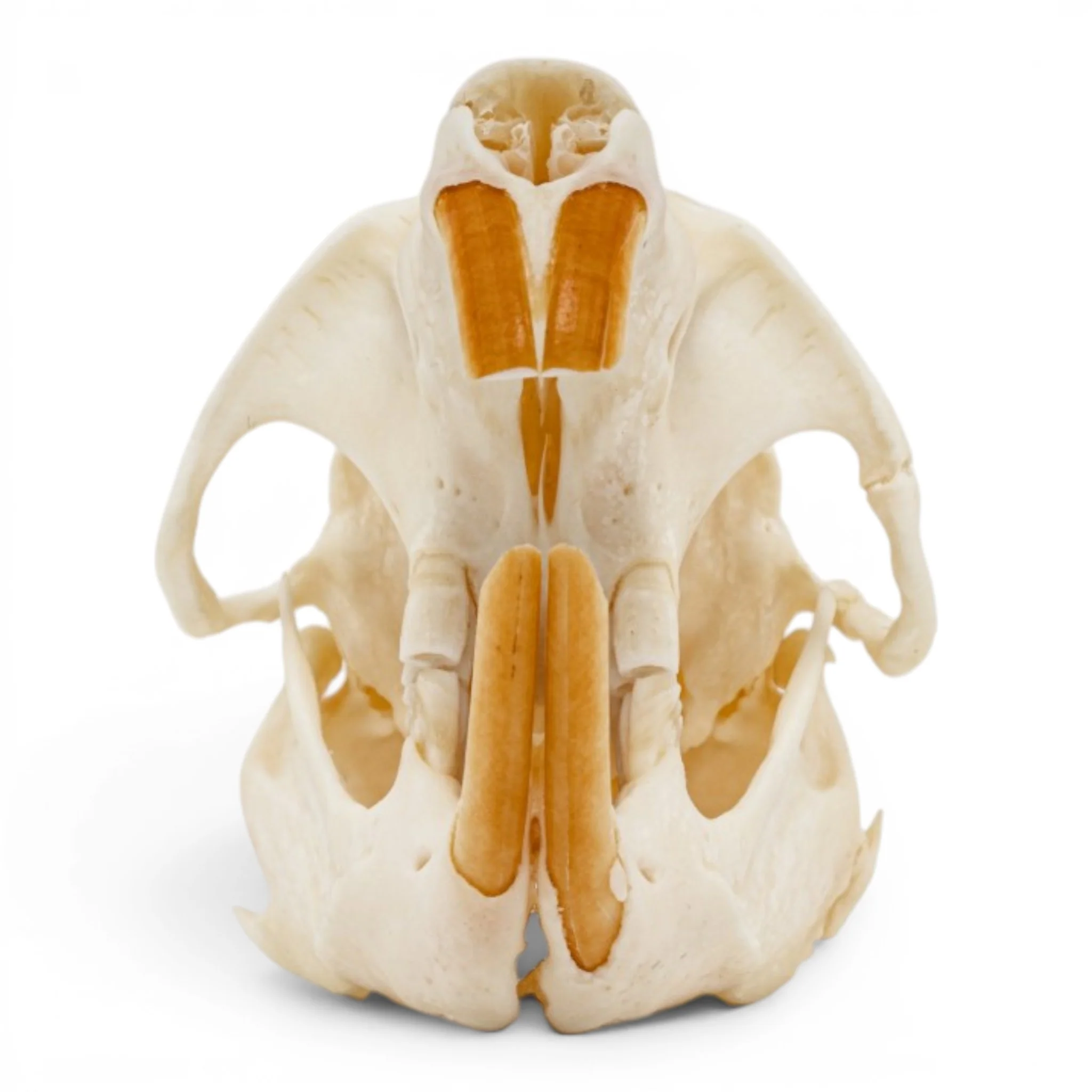
This real muskrat skull specimen displays a healed fracture on the left zygomatic arch, making it an excellent educational example of bone pathology and natural healing processes. Ideal for educational institutions, veterinary programs, and natural history collections seeking authentic pathological specimens.
The muskrat, like its larger relative the beaver, is an aquatic rodent. The muskrat is an herbivore and will chew on small saplings for food as well as eating a variety of other plants. Muskrats were once heavily trapped for their fur. Decline in demand has allowed this species to overpopulate many areas. The muskrat can be found over much of North America with the exception of the Southwest.
- Presents with a healed bone fracture on the left zygomatic arch
- Skull - Pathology Length 6.3 cm (2.5 in)
- Skull - Pathology Width 4.1 cm (1.6 in)
- Skull - Pathology Height 4.2 cm (1.7 in)
Product Information
Product Information
Shipping & Returns
Shipping & Returns




Real Muskrat Skull - Pathology
Real Muskrat Skull - Pathology
This real muskrat skull specimen displays a healed fracture on the left zygomatic arch, making it an excellent educational example of bone pathology and natural healing processes. Ideal for educational institutions, veterinary programs, and natural history collections seeking authentic pathological specimens.
The muskrat, like its larger relative the beaver, is an aquatic rodent. The muskrat is an herbivore and will chew on small saplings for food as well as eating a variety of other plants. Muskrats were once heavily trapped for their fur. Decline in demand has allowed this species to overpopulate many areas. The muskrat can be found over much of North America with the exception of the Southwest.
- Presents with a healed bone fracture on the left zygomatic arch
- Skull - Pathology Length 6.3 cm (2.5 in)
- Skull - Pathology Width 4.1 cm (1.6 in)
- Skull - Pathology Height 4.2 cm (1.7 in)
Product Information
Product Information
Shipping & Returns
Shipping & Returns
Description
This real muskrat skull specimen displays a healed fracture on the left zygomatic arch, making it an excellent educational example of bone pathology and natural healing processes. Ideal for educational institutions, veterinary programs, and natural history collections seeking authentic pathological specimens.
The muskrat, like its larger relative the beaver, is an aquatic rodent. The muskrat is an herbivore and will chew on small saplings for food as well as eating a variety of other plants. Muskrats were once heavily trapped for their fur. Decline in demand has allowed this species to overpopulate many areas. The muskrat can be found over much of North America with the exception of the Southwest.
- Presents with a healed bone fracture on the left zygomatic arch
- Skull - Pathology Length 6.3 cm (2.5 in)
- Skull - Pathology Width 4.1 cm (1.6 in)
- Skull - Pathology Height 4.2 cm (1.7 in)